
Calculate Your BMI
Enter your height and weight to find out your Body Mass Index (BMI). Our interactive visual guide will help you understand where you stand on the health spectrum.
Your BMI is
Healthy Weight
Healthy BMI range: 18.5 kg/m² - 25 kg/m²
Body Proportions Map
Compare your height and body mass index against a 6ft (182.88cm) reference.
Your Fitness Journey
Whether you're looking to build muscle, increase flexibility, or improve cardiovascular health, everything starts with understanding your body.

Elevate your heart rate

Find your balance

Build resilience

Fuel your body right
Proper nutrition is the foundation of any fitness goal. Understand your macros and make every calorie count.
What is BMI?
Body Mass Index (BMI) is a foundational ratio of weight to height used to estimate whether your body size falls within a healthy range. It’s globally recognized as a rapid screening tool for assessing overall health risks, serving as the starting line for your fitness journey.
Adult Categories
Estimated based on global population of ~8.4 Billion (2026)
Children & Teens
Aged 2-20 years old, CDC uses percentiles:
Limitations of BMI
- Doesn't distinguish fat from muscle mass.
- Athletes may appear “overweight”.
- Older adults may have higher fat levels even at a “normal” BMI.
Elite Gym Training Ground
Push your limits. Join our premium fitness community and achieve your goals faster with world-class equipment.
System Online
Understanding Health Risks
A BMI outside the healthy range can significantly impact your long-term wellbeing. Here's a look at the global statistics and most common issues.
Overweight Risks

Heart Disease & Stroke
Excess weight forces the heart to work harder. Cardiovascular diseases take ~17.9 million lives annually worldwide.

Type 2 Diabetes
Over 422 million people have diabetes. Obesity drastically reduces insulin sensitivity, spiking blood sugar.

Joint Pain & Sleep Apnea
Extra load degrades cartilage (osteoarthritis) while excess neck tissue can obstruct breathing during sleep.
Underweight Risks

Malnutrition & Deficiencies
A lack of essential nutrients leads to fatigue, anemia (iron deficiency), and stunted tissue repair.

Weakened Immune System
Without adequate fuel and vitamins, the body struggles to fight off viruses, leading to frequent illnesses.

Osteoporosis
Low body weight and lack of calcium/vitamin D severely diminishes bone density, increasing fracture risk.
5 Steps to Overcome &
Reclaim Your Health
Whether you need to lose excess weight or build a stronger, well-nourished frame, the fundamentals of recovery remain the same.
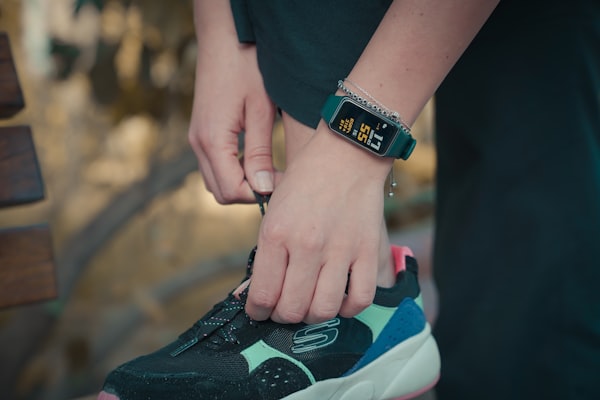
Assess & Track
Don't guess. Regularly use calculators and track your intake to understand your baseline metrics.

Nutrition
Focus on a caloric deficit for fat loss, or a nutrient-dense caloric surplus for healthy weight gain.
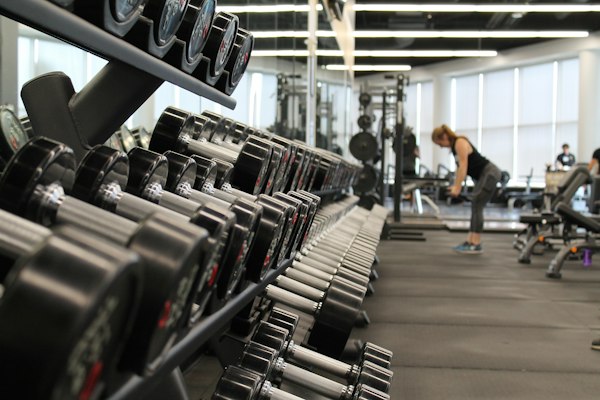
Movement
Cardio improves heart health; strength training builds bone density and muscle mass.

Recovery
High-quality sleep is crucial. It regulates hunger hormones and repairs damaged tissues.

Consistency
Avoid crash diets. Sustainable, long-term habits are the only way to permanent changes.
Additional Measures
Beyond standard BMI, other indices can provide additional context about your body composition.
BMI Prime
What it is: A simple ratio comparing your BMI to the maximum "normal" limit (25).
Why it matters: It instantly tells you how far off you are from a healthy range.
The Golden Rule: Keep your score between 0.74 and 1.0. Anything over 1.0 means overweight.
Formula
| Classification | BMI | BMI Prime |
|---|---|---|
| Severe Thinness | < 16 | < 0.64 |
| Moderate Thinness | 16 - 17 | 0.64 - 0.68 |
| Mild Thinness | 17 - 18.5 | 0.68 - 0.74 |
| Normal | 18.5 - 25 | 0.74 - 1 |
| Overweight | 25 - 30 | 1 - 1.2 |
| Obese Class I | 30 - 35 | 1.2 - 1.4 |
| Obese Class II | 35 - 40 | 1.4 - 1.6 |
| Obese Class III | > 40 | > 1.6 |
Ponderal Index
What it is
Similar to BMI, but it cubes your height (height³) instead of squaring it.
The BMI Flaw
Regular BMI is often inaccurate for people who are exceptionally tall or short.
The Solution
Ponderal Index fixes this distortion, providing a much more reliable metric for extreme heights.
USC Units
SI Metric Units
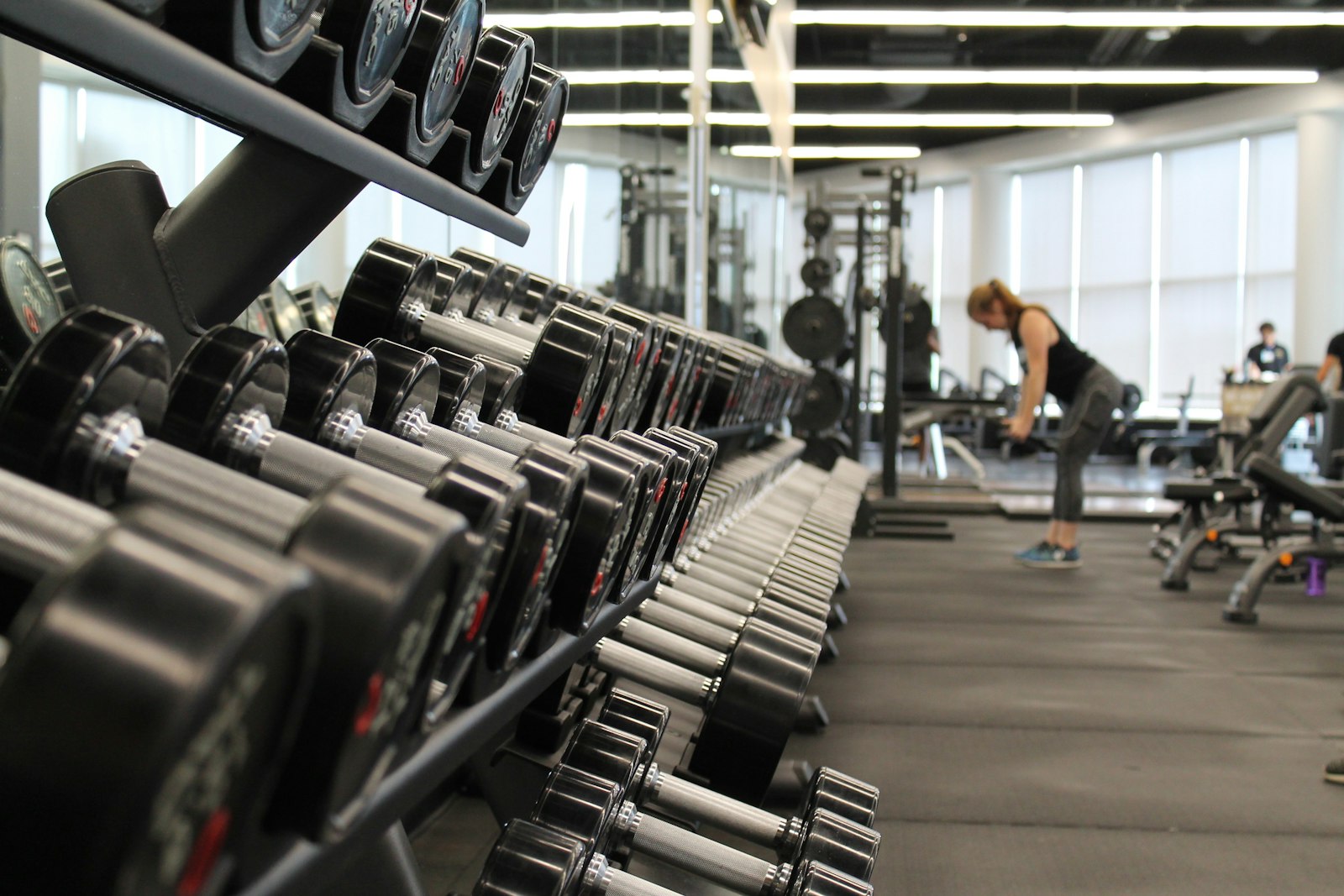

Unleash Your Potential
Join our elite fitness facility with state-of-the-art equipment. Claim a massive 10% OFF your membership today!
Optimized BMI & Fitness FAQ
Find answers to the most commonly asked questions regarding body mass index, accuracy, and fitness.